- ホーム
- NEWS
- What's New
- 本学科教員が全国語学教育学会主催のJALTCALL2026大会に研究発表を行いました
What's New 本学科教員が全国語学教育学会主催のJALTCALL2026大会に研究発表を行いました
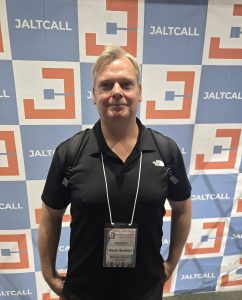
英語文化専攻のケビン・バートレット教授が、6月13日と14日に甲南大学に開催した全国語学教育学会のJALTCALL 2026 Conference (コンピュータ支援語学学習) において、「Fostering Intercultural Competencies through a COIL Program(COILプログラムを通じた異文化間能力の育成)」と題した研究発表を行いました。
COIL(Collaborative Online International Learning)は、国際社会で求められる異文化コミュニケーション能力や相互理解の姿勢を育む有効な教育実践として、その可能性が期待されています。近年、多くの大学が従来の留学に代わる国際教育の機会を模索する中、本COILプログラムは、学生が海外の学生とオンラインで協働しながら学ぶ機会を提供しました。参加者は、社会・教育・文化に関する現代的なテーマについて意見交換を行い、文化的な違いや共通点への理解を深めるとともに、言語や文化の壁を越えてコミュニケーションを行う実践的な経験を積みました。
発表では、プログラム終了後に実施したアンケートおよびフォーカスグループ・インタビューの分析結果を紹介しました。その結果、日本人学生は、異なる文化的背景を持つ相手の考え方や価値観を理解しようとする姿勢を強めるとともに、自身の文化的前提や固定観念についても振り返るようになったことが明らかになりました。また、対話を通して多様な視点を比較・検討する経験を重ねることで、異文化間における相互理解や共感的なコミュニケーション能力の向上が確認されました。
一方、アメリカのTESOL実習生からは、言語教育における文化的要因への理解が深まったとの報告がありました。日本の大学生との継続的な交流を通して、コミュニケーションの方法を柔軟に調整する力や、英語学習者に対する既存の認識を見直す機会を得るとともに、異文化環境における教育実践への理解を深めていました。
本研究は、海外留学や渡航を伴わないオンライン交流であっても、学生が異なる文化的背景を持つ人々と協働しながら学ぶことで、異文化理解力やグローバルな視野を育成できることを示しています。バートレット教授は、このような国際協働型の学習活動を授業に積極的に取り入れ、学生が教室内の学習にとどまらず、海外の学生と実際に交流しながら学ぶ機会を提供しています。こうした実践を通して、学生はグローバル社会で必要とされるコミュニケーション能力や異文化理解力を実践的に身につけることができます。
Professor Kevin Bartlett (Department of English and Global Studies) presented his research at the JALTCALL 2026 Conference held on June 13th and 14th entitled “Fostering Intercultural Competencies through a COIL Program.”
As universities seek new ways to provide international experiences beyond traditional study-abroad programs, this COIL initiative offered students an opportunity to engage directly with peers overseas through structured online collaboration. By discussing contemporary social, educational, and cultural issues with participants from another country, students developed greater awareness of both cultural differences and shared experiences while gaining first-hand experience communicating across linguistic and cultural boundaries.
Drawing on post-program surveys and focus group interviews, the study examined how participation in the COIL program contributed to the development of intercultural competence. The findings suggest that Japanese students became more willing to engage with perspectives different from their own and demonstrated greater awareness of how cultural backgrounds influence communication and interpretation. Through repeated opportunities for dialogue and reflection, participants developed a stronger capacity to compare viewpoints, negotiate meaning, and engage respectfully with cultural differences.
The TESOL practicum students reported increased awareness of the cultural dimensions of language learning and teaching. Working closely with Japanese university students challenged them to adapt their communication strategies, reconsider assumptions about language learners, and develop a more nuanced understanding of intercultural interaction in educational contexts.
The study highlights the potential of COIL as an accessible form of internationalization that can foster intercultural competence without requiring overseas travel. By creating opportunities for meaningful dialogue and collaboration with international peers, COIL programs can help students develop the global awareness, communication skills, and intercultural understanding needed to participate effectively in an increasingly interconnected world. Dr. Bartlett actively incorporates internationally connected learning experiences such as COIL into his courses, providing students with opportunities to engage directly with peers overseas and apply their learning in authentic intercultural contexts. Through these experiences, students gain practical international exposure and develop the skills needed to communicate and collaborate across cultural boundaries in the globalized world.